
How We Farm
Small but Mighty…
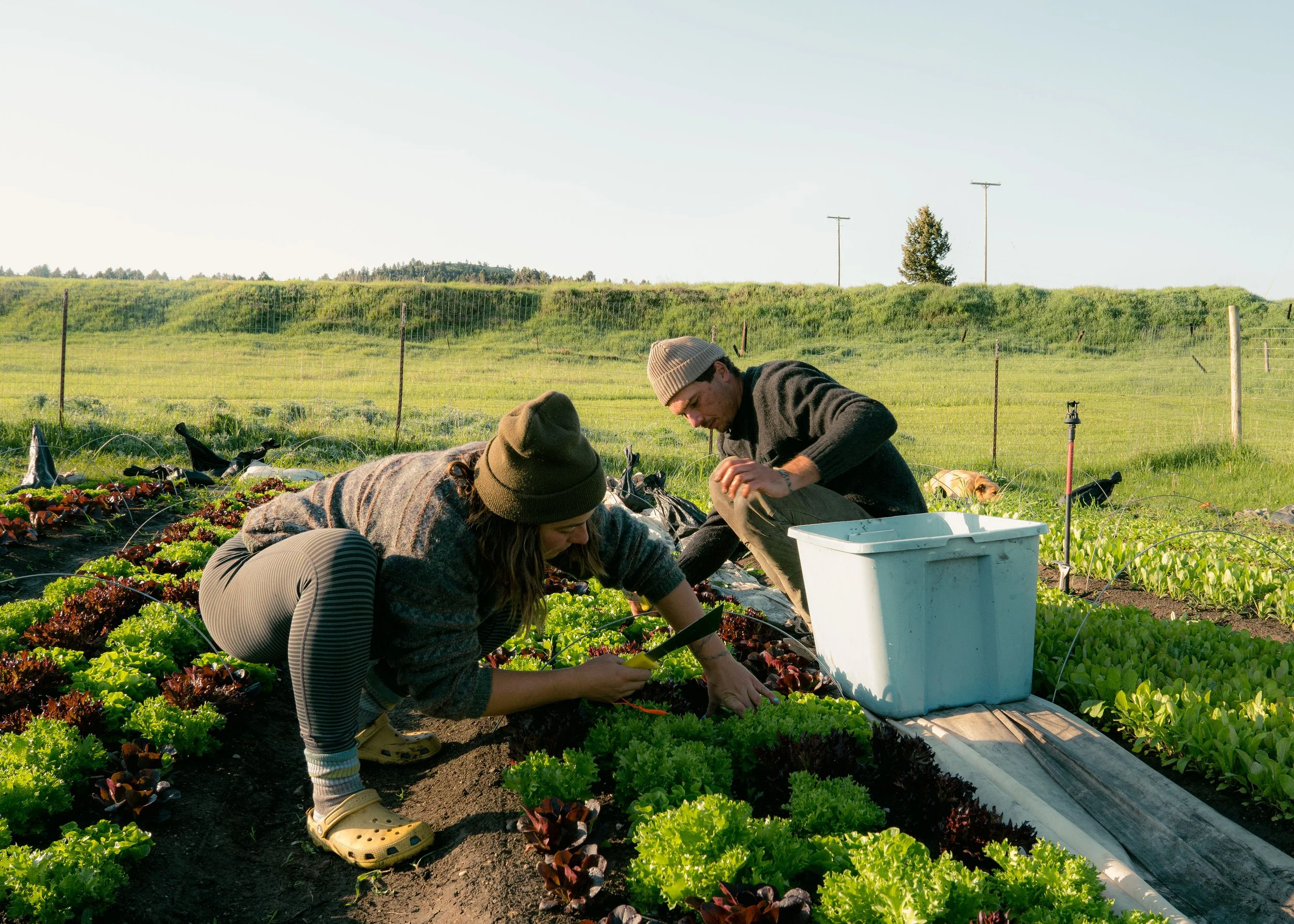
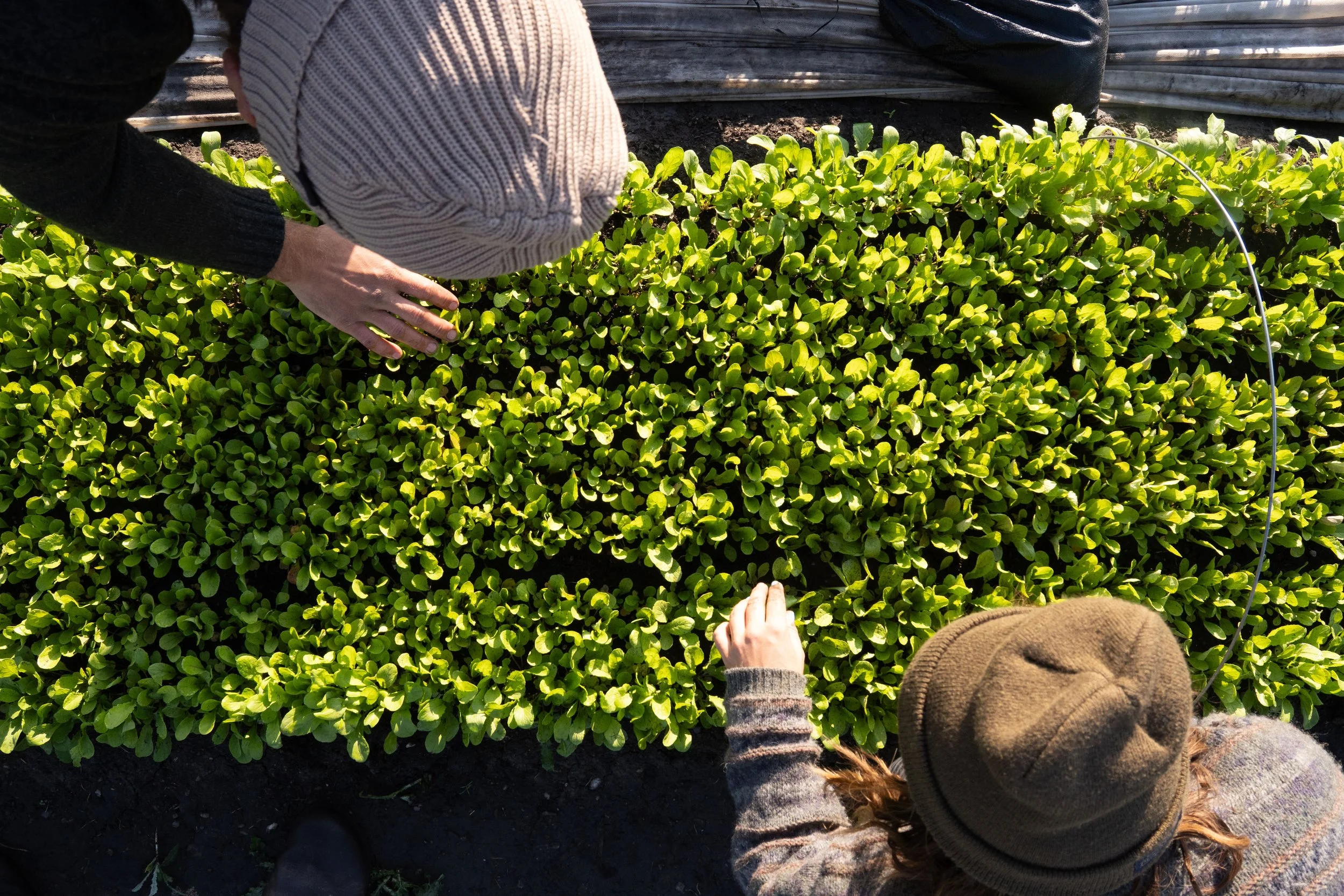
Our farm operates under the Market Gardening farm model, popularized by JM Fortier. We use a no-till system to grow a diverse variety of vegetables without the use of chemical herbicides or pesticides. The vegetables we choose to grow are selected for quick successions and intensive planting so that we can truly optimize our small acreage for maximum yields. Our total field growing space is 1/4 of an acre.
Inspired by farmers of the Market Garden movement, most of the labor on the farm is done by human power - using hand-tools like the broadfork, precision seeders, and soil knives.
We are not Certified Organic with the USDA, but we are 100% committed to using 100% organic practices. We grow our food in living soils, ensuring that our community has access to the highest quality, most nutrient-dense vegetables possible.
Growing at 5, 500ft…
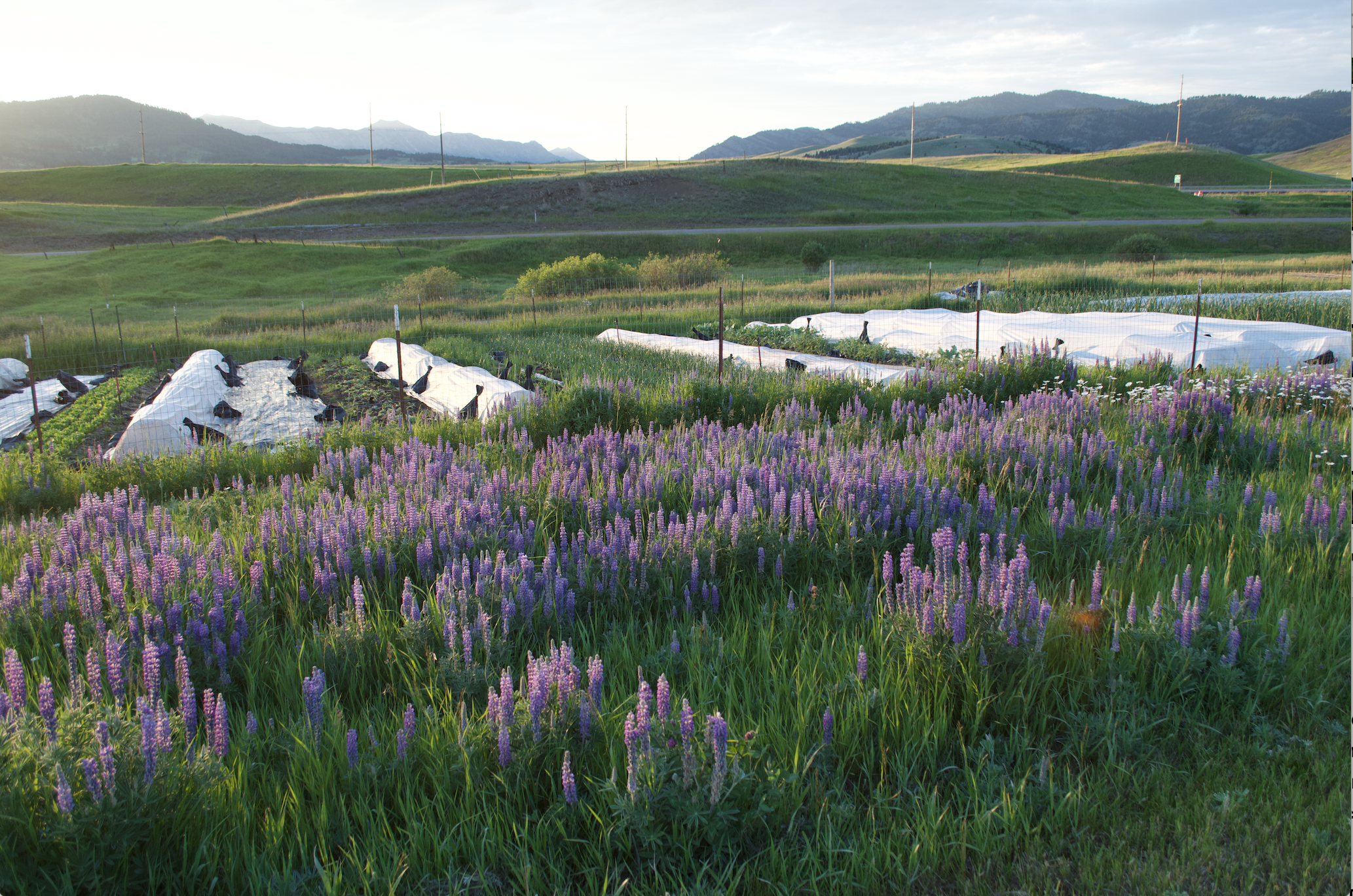
The Bozeman Pass is a unique growing environment, situated more than a mile high. The micro-climate stays about 10-15 degrees cooler than our neighboring communities, which results in both growing challenges as well as many benefits. Rather than go to battle trying to grow tomatoes and peppers with our minimal frost-free days, The Old Daisy Farm instead specializes in cold-hardy crops: lettuce, baby greens, carrots, radishes, turnips, alliums, and herbs - all of which thrive with our cooler temperatures. We're a diverse salad-forward farm, with a mission to grow the foods that thrive in our micro-climate. We make good use of season-extending row cover, often joking that we should rename our farm, ‘Row Cover Farm’, for a more accurate picture of what it’s like growing on the Old Daisy.